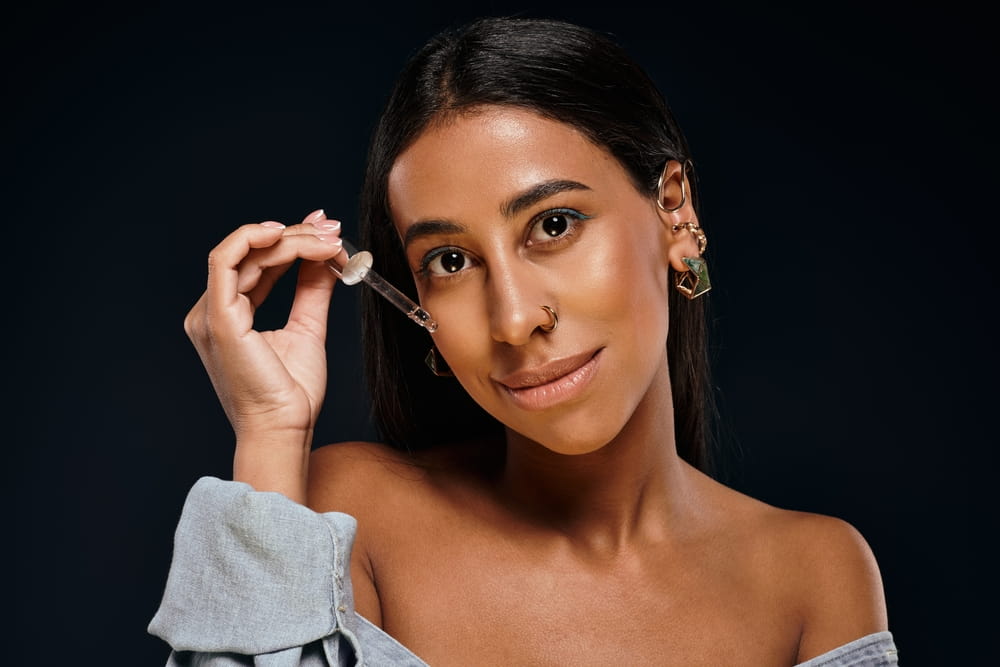
At CanStrive MedSpa & Wellness Clinic, many people in Mississauga, ON want clearer, brighter, smoother skin while also protecting their natural complexion. Chemical peels can be an effective option for concerns such as acne marks, uneven tone, rough texture, and early signs of aging, but treatment planning matters even more for darker skin tones. Skin rich in melanin often responds beautifully when the right peel strength, ingredients, and aftercare are chosen carefully.
A chemical peel uses a controlled exfoliating solution to remove damaged outer skin layers and encourage fresh skin renewal. As old cells shed, the complexion may appear more even, pores can look cleaner, and discoloration may gradually fade. However, skin with more melanin can be more reactive to irritation or inflammation. If a peel is too aggressive or applied incorrectly, it may trigger post-inflammatory hyperpigmentation, prolonged redness, or uneven lightening. That is why customized treatment is more important than chasing the strongest peel available.
Why Darker Skin Tones Need a Different Approach
Darker skin tones are not a limitation for chemical peels, but they do require a thoughtful strategy. Melanocytes, the cells that produce pigment, can become overactive when skin is irritated. Even a small amount of inflammation may lead to dark patches after acne, rashes, burns, or cosmetic treatments. This is one reason some people feel nervous about peels after hearing stories of blotchy or patchy results.
The goal is not to avoid exfoliation altogether. The goal is to reduce unnecessary trauma while still improving the target concern. That often means starting with superficial peels, spacing sessions appropriately, preparing the skin in advance, and avoiding combinations that are too intense. In many cases, a series of gentle treatments creates better long-term improvement than one harsh session. Patients who also use treatments like Hydrafacial or Laser Skin Rejuvenation may benefit from a broader skin plan based on their needs and tolerance.
Which Peels Are Often Better Choices
Not all chemical peels work the same way. Some focus on surface exfoliation, while others penetrate deeper. For melanin-rich skin, superficial and carefully selected medium-depth peels are commonly preferred. These may include mandelic acid, lactic acid, salicylic acid, low-strength glycolic acid, or blended brightening peels designed to minimize irritation.
Mandelic acid is often discussed for acne-prone or sensitive skin because its larger molecular size may penetrate more gradually. Lactic acid can support brightness and hydration. Salicylic acid may be helpful for oily or congested skin. Some patients with stubborn pigmentation may be candidates for stronger options, but only after proper preparation and professional guidance. The safest plan depends on skin history, current skincare routine, past reactions, and the specific concern being treated.
What to Avoid Before Treatment
One of the biggest mistakes people make is booking a peel without reviewing their current skincare products. Retinoids, exfoliating scrubs, strong acids, benzoyl peroxide, and certain prescription creams may need to be paused before treatment. Combining too many active products with a peel can over-sensitize the skin and increase the risk of burning or prolonged inflammation.
Sun exposure should also be taken seriously. Fresh tans, recent sunburn, or frequent unprotected UV exposure can make pigment complications more likely. Waxing, threading, shaving irritation, and picking at acne should be discussed before treatment as well. If the skin barrier is already irritated, even a mild peel may feel stronger than expected. A proper consultation should include medical history, skin type, active breakouts, previous cosmetic procedures, and healing patterns.
What to Expect During and After a Peel
During treatment, many people feel tingling, warmth, or mild stinging. This sensation often depends on the peel type and skin sensitivity. A superficial peel may take only a short time, and visible frosting or dramatic peeling is not always necessary for results. In fact, gentler treatments may produce subtle flaking rather than sheets of peeling skin.
After treatment, the skin may look tighter, slightly pink, or feel dry for several days. Some people notice fine flaking, while others mainly experience smoother texture with little visible shedding. Results usually develop gradually over multiple sessions. Pigment issues often improve in stages rather than overnight. Patience is important, especially when treating melasma or acne marks. Good moisturization, gentle cleansing, and strict sun protection are part of the treatment itself, not optional extras.
Common Mistakes That Increase Risk
The most common problem is choosing a peel based on social media trends instead of skin type. A treatment that worked for someone else may be too aggressive for another person. DIY peels purchased online can be especially risky because concentration, pH, instructions, and product quality may be unclear. Improper neutralization or over-application can lead to burns and scarring.
Another common mistake is ignoring aftercare. Picking peeling skin, returning to exfoliants too soon, skipping sunscreen, or using irritating products during recovery can undo progress quickly. Some patients also expect one peel to solve long-standing pigmentation. Real improvement often comes from consistency, maintenance, and combining treatment with good daily skincare habits.
How to Support Better Results
Sun protection is one of the most valuable steps after any peel. UV exposure can reactivate pigmentation and slow healing. Broad-spectrum sunscreen, hats, shade, and daily reapplication are especially important when treating discoloration. Even cloudy days can contribute to pigment recurrence.
Home care also matters. A simple routine with a gentle cleanser, moisturizer, sunscreen, and carefully selected brightening ingredients may help extend results. Depending on skin goals, some individuals also explore complementary options such as PRP for rejuvenation or Peels as part of a structured skin program. The best outcomes usually come from gradual progress rather than aggressive correction.
When to Seek Professional Guidance
If you have melasma, frequent hyperpigmentation, eczema, sensitive skin, active acne, or a history of reacting badly to products, professional guidance is especially important. Darker skin tones can respond very well to peels when treatments are personalized, but the wrong approach can create setbacks that take months to fade.
CanStrive MedSpa & Wellness Clinic encourages patients in Mississauga, ON to view chemical peels as one tool within a broader skin health plan. With proper product selection, realistic expectations, and careful aftercare, many people with darker skin tones can safely enjoy smoother texture, brighter tone, and renewed confidence.
Resources
Taylor, S. C., Cook-Bolden, F., & Rahman, Z. (2006). Acne vulgaris in skin of color. Journal of the American Academy of Dermatology.
Grimes, P. E. (2009). Management of hyperpigmentation in darker racial ethnic groups. Seminars in Cutaneous Medicine and Surgery.
Rendon, M., Berneburg, M., Arellano, I., & Picardo, M. (2006). Treatment of melasma. Journal of the American Academy of Dermatology.