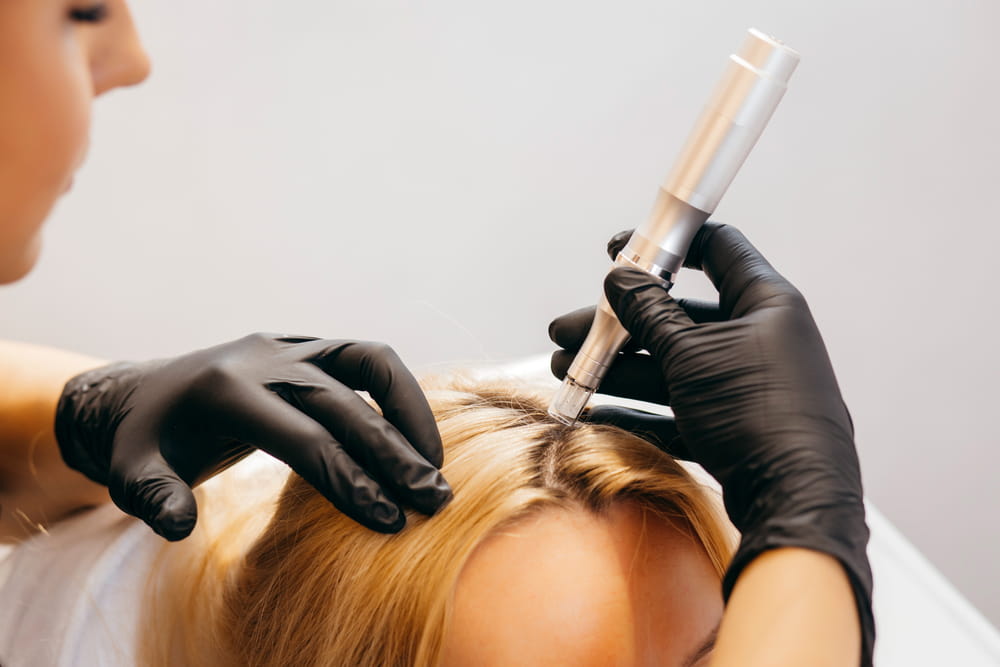
At CanStrive MedSpa & Wellness Clinic, many individuals in Mississauga, ON are looking for ways to address hair thinning without surgery or overly aggressive treatments. Hair loss affects people of every ethnicity, age group, and hair texture. While the pattern, cause, and styling habits may differ from person to person, the desire is often the same: stronger hair, fuller density, and confidence in appearance. Platelet-rich plasma, commonly known as PRP, has become a widely discussed option because it uses components from your own blood to support the scalp environment naturally.
Hair thinning can appear gradually or suddenly. Some people notice widening parts, more scalp visibility under bright light, reduced ponytail thickness, receding hairlines, or increased shedding in the shower. Others may see breakage that makes density appear worse even when follicles are still active. Because hair concerns can be influenced by genetics, hormones, stress, inflammation, nutrition, styling tension, and medical conditions, treatment should begin with understanding the reason behind the change rather than assuming one solution fits everyone.
What PRP Is and How It Works
PRP is created by drawing a small amount of blood and processing it to concentrate platelets and growth factors. These growth factors are then introduced into areas of the scalp being treated. Platelets are involved in the body’s natural healing and repair processes, which is why PRP has gained attention in sports medicine, aesthetics, and regenerative care.
For hair thinning, the goal is to support follicles that are weakened or miniaturizing rather than permanently inactive. PRP may help improve the scalp environment, encourage healthier follicle activity, and extend the growth phase of hair. This does not mean instant regrowth overnight, but it may support thicker strands, improved shedding control, and better overall density over time. Many people appreciate that it is based on their own biological material rather than synthetic ingredients.
Why PRP Appeals to Patients Seeking Natural Options
One reason PRP is popular is that it aligns with patients who prefer a more natural approach. Because the treatment uses your own blood components, there is no donor tissue involved. This can make it an attractive option for people who want to explore hair restoration before considering surgery or long-term medication plans.
Another advantage is versatility. PRP may be considered by men and women, by people with straight, wavy, curly, or coily hair, and by individuals from different ethnic backgrounds. Hair texture and cultural styling practices vary widely, but the biology of follicle support and scalp health remains relevant across populations. Some patients combine PRP with broader wellness goals such as Weightloss Management or stress-reduction strategies like Meditation and Anti-Aging when lifestyle factors are contributing to shedding.
PRP and Hair Thinning in Different Ethnicities
Hair loss does not look the same in every group. Some individuals experience classic hereditary thinning at the crown or hairline. Others may develop diffuse thinning throughout the scalp. Some patients with tightly curled or textured hair may be more prone to traction-related damage from tight styles, braids, or repeated tension. Inflammatory scalp conditions can also affect growth patterns differently depending on the person.
This is why personalization matters more than ethnicity alone. PRP treatment planning may include where thinning is occurring, how long it has been present, whether breakage is involved, and the condition of the scalp. Hair texture can influence how the scalp is accessed during treatment, and styling recommendations may be adjusted during recovery. Respectful, individualized care is more important than broad assumptions based on appearance or background.
What to Expect During the Treatment Process
A PRP session typically begins with a blood draw. The sample is processed to separate and concentrate platelets. The prepared PRP is then placed into targeted scalp areas using a series of injections or other approved delivery methods. Some clinics may use comfort measures to reduce sensitivity during the session.
After treatment, mild tenderness, tightness, or temporary redness may occur. Many people return to regular activities quickly, though specific aftercare instructions should be followed. Washing, exercise, heat exposure, or certain hair products may need to be delayed for a short period depending on the provider’s recommendations. Visible improvement is usually gradual because hair grows in cycles. New growth takes time, and follicles need repeated support.
When Results May Become Noticeable
Patience is essential with any hair restoration plan. Hair does not transform in one week because follicles move through natural growth phases over months. Some people notice reduced shedding first, followed later by better texture or fullness. Others observe that styling becomes easier before they see dramatic visual changes.
Treatment plans often involve an initial series followed by maintenance sessions. The timeline can vary based on age, genetics, severity of thinning, hormonal factors, and scalp health. Taking progress photos under the same lighting can be more helpful than relying on memory alone. Gradual gains are easy to miss day to day but become clearer over time.
Who May Benefit Most From PRP
PRP may be most helpful for people with early to moderate thinning where follicles are still present but underperforming. It is often explored by patients who want to act before areas become more advanced. It may also appeal to those seeking a complementary option alongside a broader hair wellness strategy.
However, not every case of hair loss responds the same way. Scarring alopecia, untreated medical conditions, nutrient deficiencies, or severe longstanding baldness may require additional evaluation. That is why a consultation is important. Hair loss is a symptom with many possible causes, and identifying those causes helps create realistic expectations.
Supporting Better Hair Growth Between Sessions
Daily habits can influence treatment outcomes. Nutrition, stress management, sleep quality, and scalp care all matter. Harsh chemical processing, excessive heat, or chronic tension from tight hairstyles can place ongoing stress on the hair shaft and scalp. Reducing these triggers may help preserve gains from treatment.
A balanced routine may include gentle cleansing, avoiding unnecessary friction, protecting fragile edges, and addressing overall wellness. Some patients who are also interested in skin rejuvenation explore options like Hydrafacial or PRP for multiple appearance goals, but hair plans should always remain individualized to the scalp first.
A Natural Path Forward for Thinning Hair
Hair thinning can feel personal, but it is also extremely common across all ethnicities and hair types. PRP offers a non-surgical option that focuses on supporting the body’s own repair mechanisms and creating a healthier environment for growth. Results vary, but many people value the gradual, natural-looking approach.
CanStrive MedSpa & Wellness Clinic encourages patients in Mississauga, ON to seek answers early when hair density changes begin. The sooner contributing factors are identified and a thoughtful plan is created, the more opportunities there may be to protect and strengthen existing hair.
Resources
Gentile, P., Garcovich, S., Bielli, A., et al. (2020). The effect of platelet-rich plasma in hair regrowth: A randomized placebo-controlled trial. Stem Cells Translational Medicine.
Alves, R., & Grimalt, R. (2018). Platelet-rich plasma in the treatment of androgenetic alopecia. Dermatologic Surgery.
Gupta, A. K., Carviel, J., & Abramovits, W. (2019). Platelet-rich plasma for androgenetic alopecia: Systematic review and meta-analysis. Journal of Dermatological Treatment.