Theme
Joint pain doesn’t always mean surgery is the next step.
Many people are surprised to learn that physician-guided regenerative therapies such as Platelet-Rich Plasma (PRP) may be considered as part of a personalized treatment plan for certain joint and soft tissue conditions. Understanding your options early can help you make informed decisions about your health and recovery.
What is PRP Joint Recovery?
Platelet-Rich Plasma (PRP) Joint Recovery is a non-surgical treatment that uses a concentrated portion of a patient’s own blood to support the body’s natural healing response. Depending on the condition and physician assessment, PRP may be considered for selected tendon, ligament, muscle, and joint-related concerns. Treatment suitability varies and should always be determined through an individualized consultation.
Purpose and Scope
Purpose
Joint pain can affect mobility, work, exercise, and quality of life. Many people want effective treatment options before considering surgery. This article explains PRP Joint Recovery in clear, patient-friendly language while helping readers understand when regenerative therapy may be appropriate and why a physician-led assessment matters.
Scope
This guide focuses on:
- PRP Joint Recovery
- Knee, shoulder, hip and other joint pain
- Sports-related injuries
- Degenerative joint conditions
- Non-surgical treatment options
- Patient expectations
- Recovery timelines
- Local care in Mississauga
Executive Summary
Living with persistent joint pain can make even simple daily activities feel challenging. While surgery is appropriate for some conditions, many people first explore non-surgical options that support recovery and help improve function.
Platelet-Rich Plasma (PRP) therapy is one such regenerative treatment that uses components of a patient’s own blood to support the body’s natural healing response. Depending on the individual’s condition and clinical assessment, PRP may be considered for certain tendon, ligament, muscle, and joint-related concerns.
This guide explains how PRP Joint Recovery works, who may benefit, what to expect during treatment, and why a personalized medical assessment is essential. It also highlights how CanStrive MedSpa and Wellness Clinic in Mississauga, led by Dr. Mukhtiar Aheer and Shivali Aheer, emphasizes patient education, individualized care, and evidence-informed treatment planning.
Table of Contents
Introduction
Joint pain is one of the most common reasons people seek medical care. Whether it develops gradually through age-related wear and tear or follows a sports injury or repetitive movement, persistent discomfort can interfere with everyday life. Climbing stairs, exercising, working, or even enjoying a walk can become difficult when joints no longer move comfortably.
In recent years, interest in regenerative medicine has grown as patients look for treatment options that support healing without surgery. Among these approaches, Platelet-Rich Plasma (PRP) therapy has become an area of ongoing clinical interest for selected musculoskeletal conditions.
Rather than masking symptoms alone, PRP therapy uses platelets derived from the patient’s own blood. These platelets contain naturally occurring growth factors that researchers believe may support the body’s healing processes in certain tissues. While PRP is not appropriate for every condition or every patient, it has become an important option to discuss with a qualified healthcare professional.
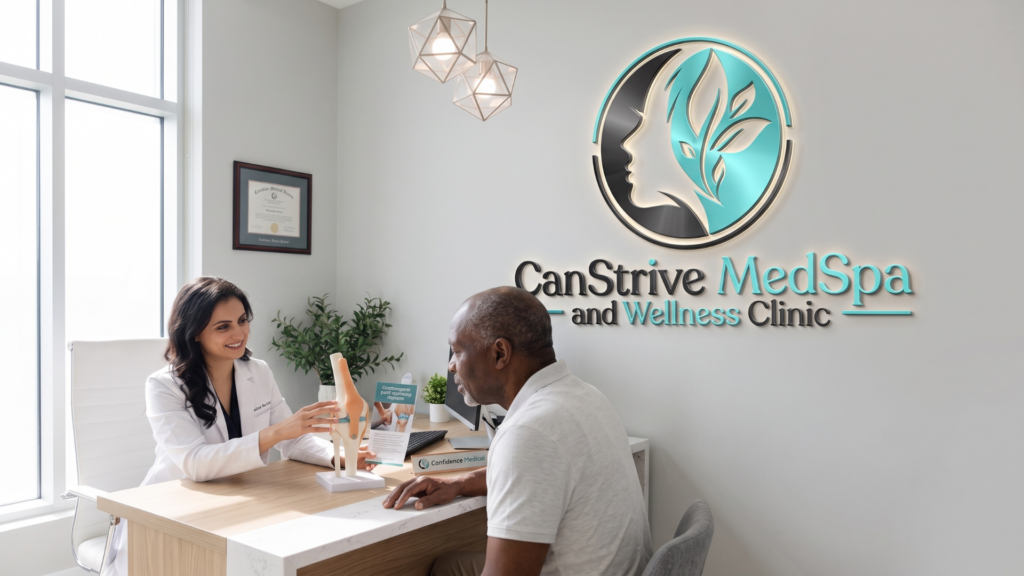
At CanStrive MedSpa and Wellness Clinic in Mississauga, every patient’s health history, symptoms, goals, and overall condition are carefully evaluated before recommendations are made. The focus is on helping patients understand their options so they can make informed decisions about their care.
For individuals seeking a non-surgical approach to managing selected joint or soft tissue concerns, a personalized consultation is the first step toward determining whether PRP Joint Recovery may be appropriate.
How PRP Joint Recovery Works: Science, Patient Experience, and Conditions It May Help
What Is PRP Joint Recovery?
Platelet-Rich Plasma (PRP) therapy is a non-surgical regenerative treatment that uses a concentrated portion of a patient’s own blood to support the body’s natural healing response. Rather than introducing synthetic medications or donor tissues, PRP relies on naturally occurring platelets that contain proteins and growth factors involved in tissue repair.
PRP has become an increasingly discussed treatment option in sports medicine, orthopedic care, and regenerative medicine because it focuses on supporting the body’s biological healing processes. While research continues to evolve, PRP may be considered for selected musculoskeletal conditions when recommended by an appropriately qualified healthcare professional.
At CanStrive MedSpa and Wellness Clinic in Mississauga, PRP Joint Recovery begins with a comprehensive consultation. Every patient has different goals, symptoms, medical history, activity levels, and expectations. A personalized assessment helps determine whether PRP is an appropriate option or whether another treatment pathway may better suit the individual’s needs.
Understanding How PRP Supports the Body’s Natural Healing Response
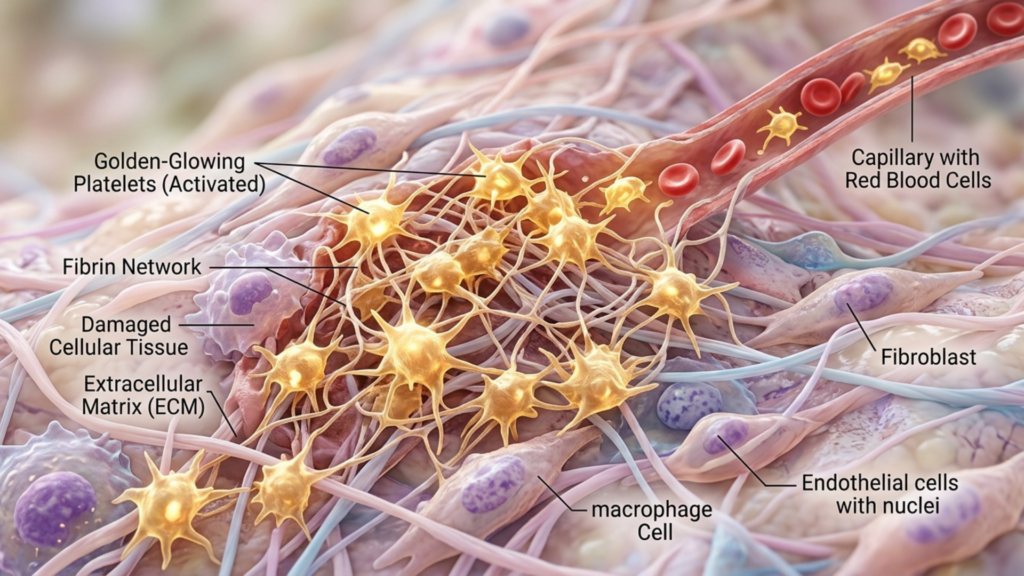
When the body experiences an injury, platelets are among the first cells to respond. They help initiate the healing process by releasing naturally occurring biological signals involved in tissue repair.
PRP therapy concentrates these platelets into a smaller volume, allowing them to be delivered to a carefully selected treatment area as part of a physician-directed care plan.
Researchers continue to study how PRP may influence:
- Tissue healing
- Cellular communication
- Collagen production
- Tendon repair
- Ligament healing
- Inflammatory balance
- Overall recovery response
It is important to understand that PRP is not a cure for arthritis or chronic joint disease, and individual results vary. Outcomes depend on several factors, including the nature of the condition, overall health, age, lifestyle, and adherence to post-treatment recommendations.
Why More Patients Are Looking for Non-Surgical Joint Pain Options
Many individuals experiencing chronic joint discomfort are not ready for surgery. Others hope to remain active while exploring conservative treatment options first.
Common reasons patients seek non-surgical care include:
- Persistent knee pain
- Shoulder discomfort
- Hip pain
- Sports-related injuries
- Tendon problems
- Ligament injuries
- Reduced mobility
- Difficulty exercising
- Pain affecting work or daily life
A physician-guided assessment helps determine whether conservative management, rehabilitation, lifestyle changes, PRP, or another approach may be most appropriate.
Conditions That May Be Evaluated for PRP Therapy
Every patient is unique, and suitability for PRP depends on an individualized clinical assessment. Depending on the diagnosis and overall health, PRP may be considered for selected conditions such as:
Knee Pain

The knee experiences considerable stress during everyday activities such as walking, climbing stairs, exercising, and standing.
Some patients with chronic knee discomfort may discuss PRP with their healthcare provider as part of a broader treatment plan.
Potential contributing conditions include:
- Mild to moderate osteoarthritis
- Tendon irritation
- Ligament injuries
- Sports injuries
- Overuse syndromes
Shoulder Pain
The shoulder is one of the body’s most mobile joints, making it susceptible to repetitive strain and injury.
PRP may be evaluated for selected shoulder conditions including:
- Rotator cuff tendinopathy
- Tendon irritation
- Overuse injuries
- Certain soft tissue conditions
Not every shoulder problem is appropriate for PRP, making physician evaluation especially important.
Hip Pain
Hip discomfort can affect walking, sleeping, exercise, and quality of life.
Depending on the diagnosis, PRP may be discussed for selected soft tissue and joint-related conditions when clinically appropriate.
Tendon Injuries
Tendons generally receive limited blood supply, which can contribute to slower healing.
Some chronic tendon conditions that physicians may evaluate include:
- Tennis elbow
- Golfer’s elbow
- Patellar tendinopathy
- Achilles tendinopathy
Treatment recommendations depend on the duration of symptoms, severity, and overall patient health.
Ligament Injuries
Ligaments provide stability to joints.
Certain partial ligament injuries may be evaluated for regenerative treatment options alongside rehabilitation and activity modification.
Who May Be a Candidate for PRP Joint Recovery?
The best candidates are determined through a detailed consultation rather than a one-size-fits-all approach.
Factors your healthcare provider may consider include:
- Medical history
- Current medications
- Overall health
- Activity level
- Lifestyle
- Previous treatments
- Imaging results (if available)
- Nature of symptoms
- Duration of pain
- Treatment goals
Some patients are excellent candidates.
Others may benefit more from physiotherapy, lifestyle modifications, exercise programs, weight management, medication, or referral for additional medical evaluation.
An individualized assessment helps identify the most appropriate path forward.
What Happens During a PRP Appointment?

Although treatment plans differ for each patient, the general process usually includes several steps.
Initial Consultation
The first appointment focuses on understanding:
- Symptoms
- Functional limitations
- Medical history
- Previous injuries
- Current treatments
- Lifestyle factors
- Patient expectations
Questions are encouraged because informed patients make better healthcare decisions.
Blood Collection
A small amount of blood is collected using a standard blood draw.
PRP Preparation
The blood is processed so the platelet-rich portion can be separated from other blood components.
Because PRP is prepared from the patient’s own blood, there is no donor tissue involved.
Treatment
The prepared PRP is administered according to the individualized treatment plan developed during consultation.
Treatment duration is generally short, allowing many patients to return home the same day.
What Can Patients Expect After Treatment?
Recovery experiences differ from person to person.
Some individuals notice temporary soreness during the early healing phase.
Healthcare providers generally discuss:
- Activity recommendations
- Exercise modifications
- Follow-up appointments
- Recovery expectations
- When normal activities may gradually resume
Because PRP aims to support natural healing rather than provide immediate symptom suppression, improvements may occur gradually over weeks or months depending on the condition.
Supporting Recovery Beyond the Procedure
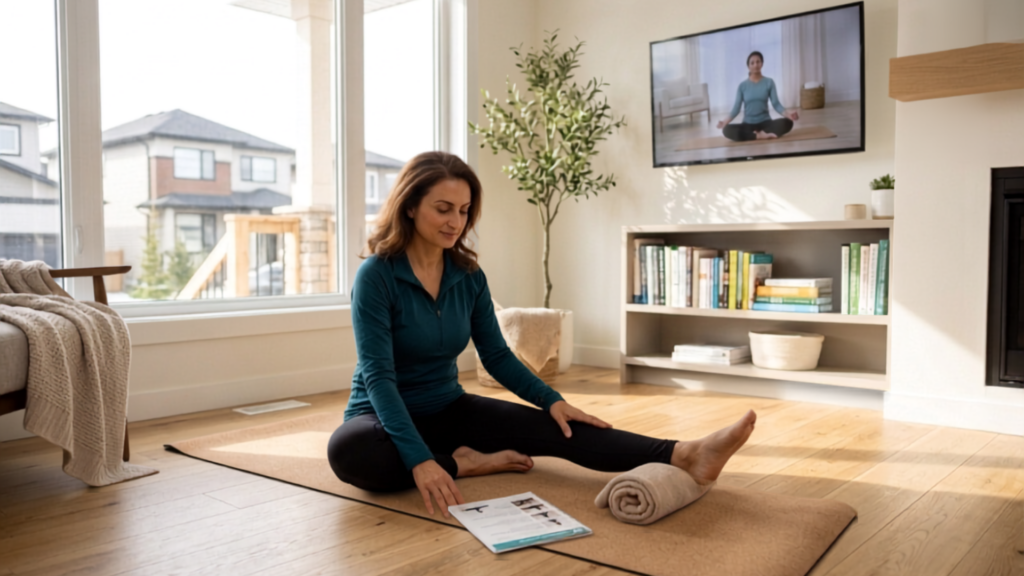
PRP works best when viewed as one component of a comprehensive recovery strategy rather than a standalone solution.
Many patients benefit from combining treatment with healthy lifestyle habits, including:
Staying Active
Appropriate movement supports joint health while avoiding excessive strain during recovery.
Maintaining a Healthy Weight
Reducing unnecessary stress on weight-bearing joints may improve overall function.
Balanced Nutrition
Adequate protein, hydration, vitamins, and minerals contribute to normal tissue repair.
Sleep and Recovery
Quality sleep plays an important role in supporting the body’s natural healing processes.
Following Professional Guidance
Following individualized recommendations can help optimize recovery and reduce the likelihood of setbacks.
Why Physician Assessment Matters
One of the biggest misconceptions surrounding PRP is that it is suitable for everyone experiencing joint pain.
In reality, different causes of pain require different treatment strategies.
For example:
- Arthritis differs from tendon injury.
- Tendon injury differs from ligament instability.
- Joint inflammation differs from cartilage degeneration.
- Sports injuries differ from chronic overuse conditions.
Accurate diagnosis remains one of the most important factors in selecting the appropriate treatment.
At CanStrive MedSpa and Wellness Clinic, physician-led evaluation helps ensure recommendations are tailored to each patient’s health, goals, and clinical presentation rather than following a standardized approach.
What Makes CanStrive MedSpa and Wellness Clinic Different?
Patients today often have access to many clinics offering regenerative therapies. Choosing the right provider involves more than selecting a treatment-it involves selecting a team that values education, transparency, and individualized care.
At CanStrive MedSpa and Wellness Clinic in Mississauga, patient care is built around several guiding principles:
- Comprehensive consultations before recommending treatment.
- Individualized care plans rather than one-size-fits-all protocols.
- A focus on patient education and informed decision-making.
- Physician-guided assessments to determine appropriate treatment options.
- An emphasis on wellness, mobility, and long-term quality of life.
Rather than focusing solely on symptom management, the clinic aims to help patients understand the broader picture of musculoskeletal health and the range of conservative treatment options available.
Compared with Other Non-Surgical Joint Pain Treatments
Every patient experiences joint pain differently, so there is no single treatment that is right for everyone. A physician-guided evaluation helps identify the most appropriate option based on the diagnosis, medical history, activity level, and personal goals.
| Treatment Option | Purpose | Considerations |
| Physiotherapy | Improve mobility, strength, and function | Often part of a comprehensive care plan |
| Lifestyle Modifications | Reduce joint stress and support long-term health | May include weight management and activity changes |
| Medications | Help manage pain or inflammation | May provide symptom relief but do not address every underlying cause |
| Corticosteroid Injections | Short-term symptom management for selected conditions | Frequency and suitability should be discussed with a physician |
| Hyaluronic Acid (where appropriate) | Improve joint lubrication in selected cases | May be considered depending on the diagnosis |
| PRP Therapy | Supports the body’s natural healing response using the patient’s own blood | Suitability depends on clinical evaluation and evidence for the specific condition |
The most appropriate treatment often depends on an accurate diagnosis and a discussion of benefits, limitations, and alternatives.
Why Local Patients in Mississauga Choose Physician-Led PRP Consultations
When searching for “PRP therapy near me,” patients are often looking for more than convenience. They want confidence that their care is based on a thoughtful clinical assessment.
At CanStrive MedSpa and Wellness Clinic, the emphasis is on:
- Individualized consultations
- Evidence-informed recommendations
- Clear explanations of treatment options
- Shared decision-making
- Patient education
- Realistic expectations
- A welcoming environment focused on long-term wellness
The goal is to help each patient understand whether PRP is appropriate for their specific condition rather than assuming it is the right choice for everyone.
Frequently Asked Questions (FAQs)
- Is PRP therapy painful?
Most patients tolerate PRP therapy well. Some temporary discomfort may occur during or after treatment, but the experience varies from person to person. - How many PRP treatments might I need?
The number of treatments depends on the condition being treated, its severity, your medical history, and your healthcare provider’s recommendations. - How long does recovery take?
Recovery timelines differ. Some people resume many normal daily activities within a short period, while tissue healing and symptom improvement may continue over several weeks or months. - Is PRP surgery?
No. PRP is considered a non-surgical treatment that uses components of your own blood as part of a physician-directed treatment plan. - Who may not be a suitable candidate?
Suitability depends on many factors, including certain medical conditions, medications, active infections, bleeding disorders, or other health considerations. A consultation is essential. - Can PRP help arthritis?
Research continues to evolve. For selected patients with certain forms of osteoarthritis, PRP may be discussed as one possible treatment option. It is not considered a cure, and outcomes vary. - Can I exercise after PRP?
Your healthcare provider will recommend an activity plan based on your treatment area and recovery progress. Temporary activity modification is often advised. - How do I know if PRP is right for me?
The best way is through a physician-guided consultation that includes your medical history, symptoms, examination, and treatment goals.
References & Links
Internal Links
- PRP / Regenerative Therapy service page
- Wellness services
- About CanStrive
- Meet Dr. Mukhtiar Aheer
- Contact page
- Online booking page
- https://www.fresha.com/a/canstrive-medspa-wellness-clinic-mississauga-2520-eglinton-avenue-west-twfuj0iz?pId=2562639
- Existing blog articles about joint health, wellness, or regenerative medicine
External Links
- Arthritis Society Canada
- Canadian Orthopaedic Association
- American Academy of Orthopaedic Surgeons (AAOS)
https://www.aaos.org - National Institutes of Health (NIH)
https://www.nih.gov - PubMed
https://pubmed.ncbi.nlm.nih.gov - Mayo Clinic
https://www.mayoclinic.org - Cleveland Clinic
https://my.clevelandclinic.org
Call to Action (CTA)
Considering Non-Surgical Joint Pain Relief?
If joint pain is affecting your mobility, work, exercise, or quality of life, a personalized consultation can help determine whether PRP Joint Recovery or another conservative treatment approach is appropriate for your needs.
At CanStrive MedSpa and Wellness Clinic, Dr. Mukhtiar Aheer and Shivali Aheer focus on patient education, individualized care, and evidence-informed treatment planning.
Book your consultation today to discuss your symptoms, explore your treatment options, and take the next step toward improved joint health.
Booking Section
Book an Appointment
- Personalized Consultation
- Physician Assessment
- PRP Joint Recovery Discussion
- Individualized Treatment Planning
Booking Website
https://canstrive.ca
Conclusion: You Don’t Have to Live With Joint Pain
Joint pain can slowly become part of everyday life, making it harder to work, stay active, or enjoy time with your family. The good news is that surgery isn’t always the first or only answer. Many people find lasting relief through non-surgical treatments when the problem is diagnosed early and managed with the right approach.
Whether you’re dealing with knee arthritis, shoulder pain, tendon injuries, or another joint condition, the best place to start is with a thorough assessment. Understanding what’s causing your pain allows your doctor to recommend the treatment that’s most likely to help, whether that’s physiotherapy, regenerative medicine, guided injections, or a combination of therapies.
Key Takeaways
- Not every joint problem requires surgery.
- Early diagnosis often leads to better outcomes and more treatment options.
- Treatment should be personalized based on your symptoms, lifestyle, and long-term goals.
- If your joint pain has lasted for several weeks or is limiting your daily activities, it’s worth getting it evaluated before it worsens.
If you’re looking for non-surgical joint pain treatment in Mississauga, our team at PRP Joint Recovery can help you understand your options and create a treatment plan that’s tailored to your needs. The sooner you address joint pain, the better your chances of staying active and protecting your long-term joint health.
Medical Disclaimer
This article is intended for educational purposes only and does not replace professional medical advice, diagnosis, or treatment. PRP therapy may not be appropriate for every individual or condition. Treatment recommendations should always be based on a comprehensive consultation with a qualified healthcare professional.