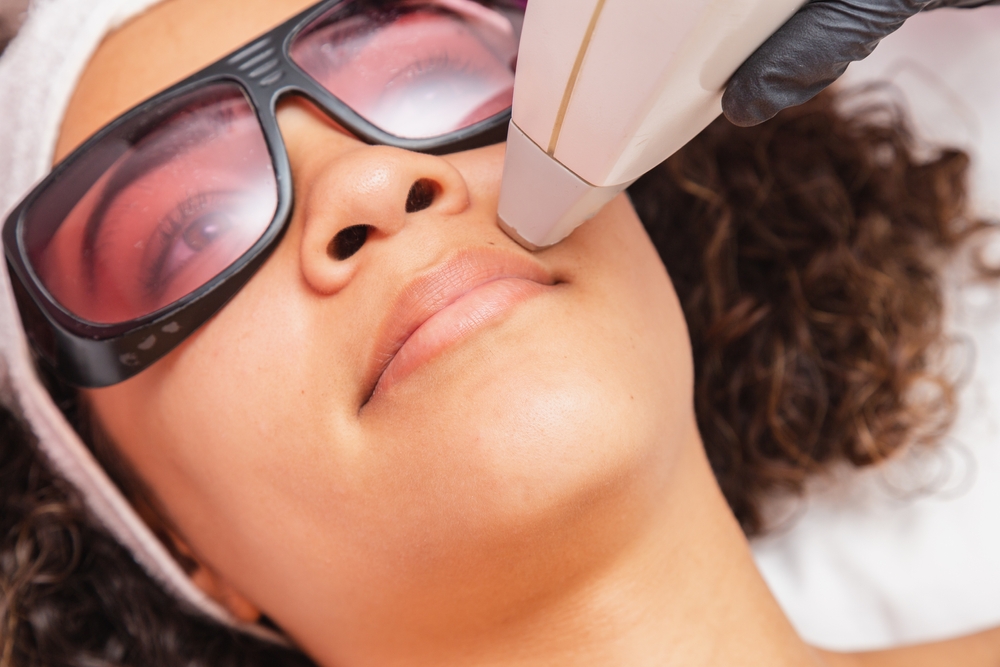
At CanStrive MedSpa & Wellness Clinic in Mississauga, ON, individuals with melanin-rich skin often seek hair removal solutions that are both safe and effective. Laser hair removal has become one of the most popular methods for long-term hair reduction, but historically, it posed challenges for darker complexions due to the high melanin content in the skin. Traditional lasers were not always able to distinguish between pigment in the hair follicle and pigment in the skin, which could increase the risk of burns, hyperpigmentation, or uneven results.
Fortunately, advancements in laser technology have made it possible to safely and effectively perform laser hair removal on all skin tones. Modern devices, such as those utilizing long-pulsed Nd:YAG wavelengths, are specifically engineered to target hair follicles beneath the skin’s surface without damaging surrounding pigment. This has opened the door for melanin-rich individuals to experience smooth, hair-free skin with confidence and safety.
The Science Behind Laser Hair Removal
Laser hair removal works through a process called selective photothermolysis. The laser emits a concentrated beam of light that is absorbed by the pigment (melanin) in the hair shaft. The absorbed light is converted into heat, which travels down to the follicle and disables its ability to produce new hair. For this process to be effective and safe, the laser must precisely target the hair follicle while sparing the surrounding skin tissue.
In melanin-rich skin, there is naturally more pigment in the epidermis, which increases the challenge of differentiating between skin and hair. However, the Nd:YAG laser, with its 1064-nanometer wavelength, penetrates deeper into the skin and bypasses much of the epidermal melanin, making it ideal for darker skin tones. Its longer wavelength and adjustable energy settings allow practitioners to treat various hair types and thicknesses while minimizing the risk of pigmentation changes or burns.
Why Modern Lasers Are Safe for Melanin-Rich Skin
In the past, lasers designed for lighter skin tones used shorter wavelengths, such as those in the Alexandrite or Diode range, which carried a higher risk of complications in darker complexions. The introduction of the Nd:YAG laser revolutionized this by offering a safer alternative. This technology delivers energy deeper into the dermis—beyond the layer of skin that contains most of the melanin—reducing the likelihood of surface overheating.
Key Advantages Include:
- Safe for all skin tones: The 1064 nm wavelength penetrates deeply while minimizing absorption by surface pigment.
- Reduced risk of hyperpigmentation: Lower epidermal heat absorption prevents unwanted dark or light spots.
- Effective on coarse and thick hair: The laser’s energy targets deep-rooted follicles for lasting reduction.
- Customizable settings: Treatment intensity and pulse duration can be adjusted to suit individual skin and hair types.
- Minimal downtime: Most people experience only mild redness that resolves within hours.
This technology ensures that melanin-rich skin can be treated comfortably and effectively, providing consistent results without compromising skin integrity.
Pre-Treatment Preparation and Aftercare
Proper preparation and aftercare are essential to achieving the best possible results from laser hair removal, especially for individuals with darker skin tones. Before treatment, it’s important to avoid tanning, sun exposure, and self-tanners for at least two weeks. This helps reduce excess melanin activity in the skin, which can increase sensitivity during the procedure. Additionally, patients should refrain from waxing, plucking, or using depilatory creams for at least four weeks prior, as these remove the follicle that the laser targets.
After treatment, applying soothing gels or cool compresses can help calm the skin. Daily use of broad-spectrum sunscreen is crucial to protect against UV exposure, which can trigger post-inflammatory hyperpigmentation in freshly treated skin. Avoiding heat exposure—such as saunas, hot showers, or strenuous exercise—for 24 to 48 hours helps prevent irritation. With proper care, most individuals see a gradual reduction in hair density after several sessions, with smoother, more even-toned skin over time.
Results and Expectations
Laser hair removal is a progressive process that targets active hair follicles during their growth phase. Because not all follicles are active simultaneously, multiple sessions are necessary to achieve optimal results. Most individuals require six to eight treatments spaced about four to six weeks apart for long-lasting hair reduction.
For melanin-rich skin, results are often gradual but highly effective. Each session weakens the follicles further, leading to finer, slower hair regrowth. Over time, many people notice smoother skin, reduced ingrown hairs, and diminished irritation compared to traditional shaving or waxing. Consistent sessions and maintenance treatments ensure the best long-term outcomes while keeping the skin’s tone and texture healthy and even.
Final Thoughts
Laser hair removal is no longer limited by skin tone. With advancements like the Nd:YAG laser, individuals with melanin-rich complexions can now safely and effectively achieve lasting hair reduction without compromising their skin’s health. At CanStrive MedSpa & Wellness Clinic in Mississauga, ON, understanding how modern laser technology works empowers patients to make informed, confident choices about their hair removal journey. Through proper preparation, professional guidance, and adherence to aftercare, laser hair removal can provide smooth, radiant results for every skin tone.
References
- Battle, E. F., & Hobbs, L. M. (2019). Laser Hair Removal in Patients with Skin of Color: Advances and Safety Considerations. Journal of Clinical and Aesthetic Dermatology.
- Nouri, K., Chartier, T., & Elsaie, M. L. (2008). Laser Treatment of Hair and Pigmented Lesions in Darker Skin Types. Dermatologic Surgery.
- Ross, E. V., & Saedi, N. (2013). Safe Laser Hair Removal Practices for Ethnic and Melanin-Rich Skin. Seminars in Cutaneous Medicine and Surgery.