
Executive Summary
Many individuals invest in laser therapies, chemical peels, and targeted serums, only to watch hyperpigmentation return weeks or months later. This blog explains the biological mechanism behind dark spot recurrence: clearing surface pigment without controlling hyperactive pigment-producing cells in deeper skin layers. Read on to understand epidermal vs. dermal pigment, safe clearing protocols, and how our Mississauga clinical team provides targeted, long-term skin clarity.
Purpose and Scope
This blog outlines the clinical and biological factors causing hyperpigmentation relapse post-treatment. It provides Mississauga patients with actionable diagnostic and preventive frameworks to achieve sustained pigment clearance.
Introduction
Achieving clear skin requires more than temporary surface treatments. You schedule a clinical treatment, follow the immediate recovery protocol, and enjoy radiant skin only to see stubborn patches reappear weeks later.
This cycle of temporary clearance followed by relapse occurs when care plans treat visible pigment as an isolated surface issue rather than an ongoing biological response. To eliminate dark spots permanently, treatments must address both surface melanin and deeper cellular triggers.
Start with Assessment, Not Assumptions
Effective care begins with diagnostic clarity. Treating dark spots without determining their depth or underlying cause risks triggering rebound hyperpigmentation.
Epidermal Pigment
- Depth Location: Outer skin layer (Stratum Corneum/Basal)
- Visual Appearance: Sharp borders, darker brown/black
- Response to Standard Peels: Fast response (2–4 weeks)
- Recurrence Risk: Moderate (UV dependent)
Dermal Pigment
- Depth Location: Deeper skin layer (Dermis)
- Visual Appearance: Hazy borders, blue-gray or slate brown
- Response to Standard Peels: Resistant / Requires specialized protocol
- Recurrence Risk: High (If melanocytes remain active)
The Hidden Drivers of Pigment Relapse
1. The Surface Fallacy
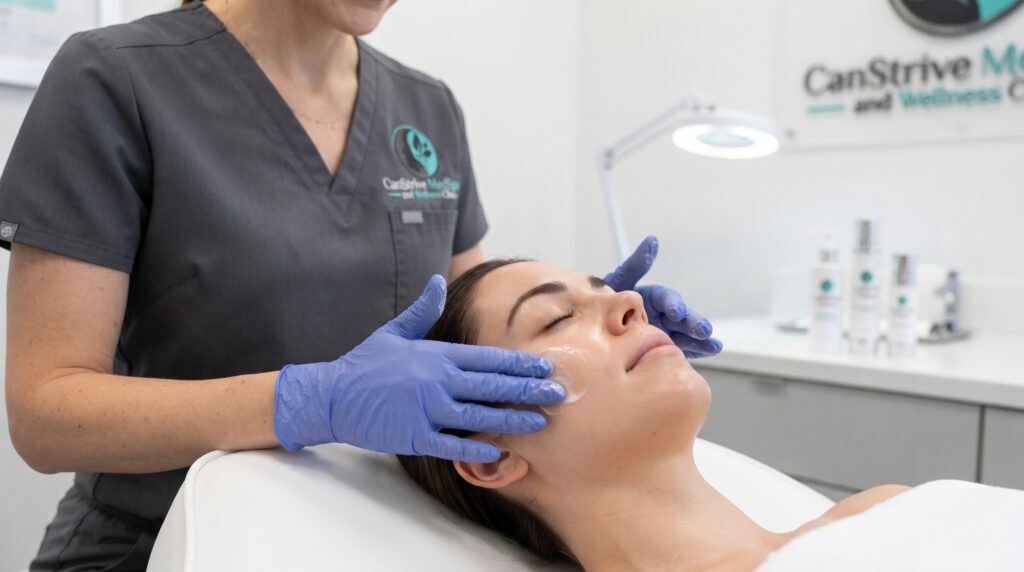
Most over-the-counter brightening products and quick light peels exfoliate only the top layer of skin (epidermis). While this sloughs off dead cells containing excess melanin, it leaves deep-seated pigment factories (melanocytes) fully active.
2. Post-Inflammatory Hyperpigmentation (PIH) Triggers
Aggressive treatments like uncalibrated lasers or harsh chemical peels can cause micro-trauma to deeper tissue. For darker skin tones (Fitzpatrick Types IV–VI), this inflammation signals melanocytes to overproduce melanin as a defense mechanism, worsening discoloration.
3. Uncontrolled Tyrosinase Activation
Tyrosinase is the essential enzyme responsible for producing melanin. Without continuous daily inhibition, internal triggers like hormones, stress, and heat restart melanin production immediately after treatment.
Dual-Layer Inactivation Protocols
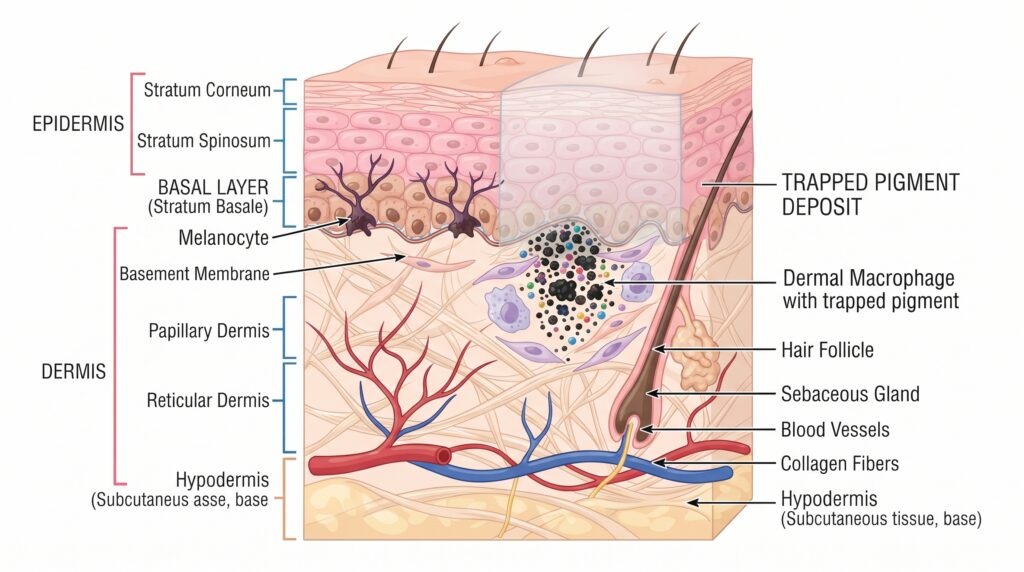
To break the cycle of recurring dark spots, clinical care must combine deep cellular stabilization with gentle surface exfoliation.
- Tyrosinase Inhibition: Utilizing active ingredients such as Tranexamic Acid, Kojic Acid, and Arbutin to calm melanocytes before aggressive procedures.
- Controlled Pigment Removal: Deploying non-ablative, wavelength-specific lasers or targeted chemical solutions that break down deep pigment deposits without causing thermal skin trauma.
- Barrier Restoration: Strengthening the lipid barrier to prevent external irritants from triggering inflammatory responses.
Clinical Logic vs. Quick Fixes
Treating dark spots as an ongoing biological process yields vastly different results than relying on quick surface remedies.
- Standard Surface Approach: High-strength peeling agent Rapid surface shedding Inflammatory rebound Dark spots return in 30–60 days.
- Targeted Clinical Protocol: Pre-treatment enzyme inhibition Precision pigment targeted treatment Daily cellular protection Sustained pigment clearance.
Your 4-Step Maintenance Plan
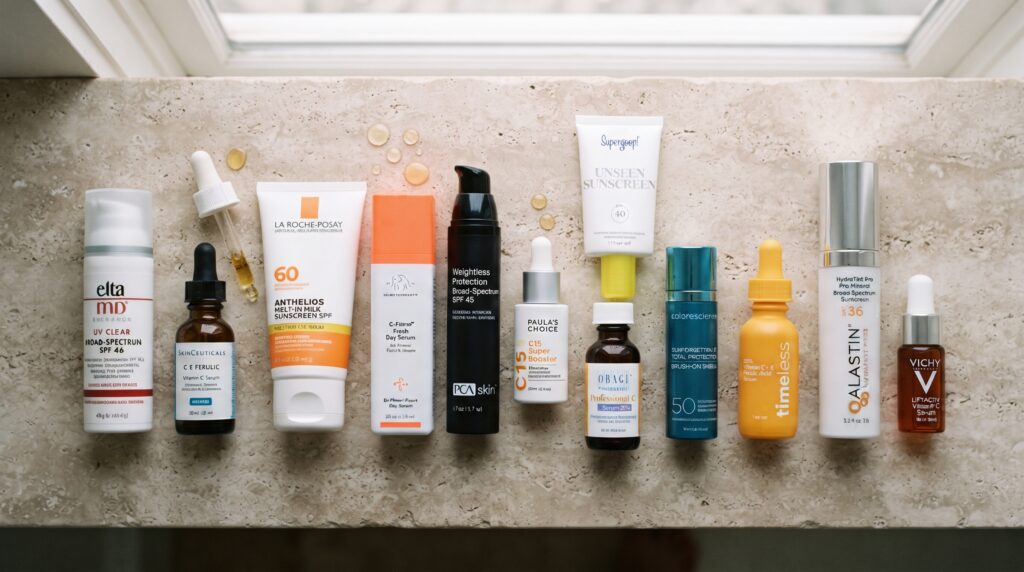
- Apply Broad-Spectrum Sunscreen Daily: Use a broad-spectrum SPF 30+ tinted sunscreen containing Zinc Oxide and Iron Oxides to block UV and visible blue light.
- Incorporate Tyrosinase Inhibitors: Integrate gentle brightening ingredients like Vitamin C, Niacinamide, and Azelaic Acid into your daily routine.
- Avoid Excessive Heat Exposure: Saunas, hot showers, and direct sun exposure can trigger melanocytes even without direct UV exposure.
- Schedule Professional Skin Reviews: Undergo periodic clinical evaluations to adjust your home care routine based on seasonal skin changes.
Why Choose Canstrive Medspa in Mississauga?

Canstrive Medspa and Wellness Clinic delivers evidence-based skin therapies tailored to diverse skin types.
- Custom Pigment Mapping: We identify pigment depth before selecting any treatment option.
- Safe Protocol Selection: Personalized plans designed to clear pigment safely without triggering post-inflammatory responses.
- Comprehensive Care: Combining clinical treatments with home maintenance strategies for long-lasting results.
Frequently Asked Questions
- Why do dark spots come back after laser treatment?
Lasers often break down existing surface melanin without calming underlying hyperactive melanocytes. If heat from the laser causes inflammation, pigment can return or worsen. - Can melasma be completely cured?
Melasma cannot be permanently cured, but it can be managed effectively with targeted topicals, sun protection, and customized clinical protocols. - Is chemical peeling safe for dark skin tones?
Yes, provided gentle, non-aggressive peeling agents like Mandelic or Salicylic acid are used to prevent post-inflammatory hyperpigmentation. - How long does it take to see permanent results for dark spots?
Most patients notice initial improvement within 4 to 6 weeks, with full, stable pigment clearance typically achieved over 3 to 6 months of consistent care. - Why does sun exposure immediately bring back cleared spots?
UV radiation triggers melanocytes to produce melanin as a protective shield. Even brief exposure can reactivate previously cleared dark spot areas. - What ingredients should I look for to prevent pigment relapse?
Effective long-term ingredients include Tranexamic Acid, Niacinamide, Azelaic Acid, Kojic Acid, and Vitamin C. - What should I do if my dark spots turn darker after a treatment?
Contact your clinical practitioner immediately. Temporary darkening can occur as pigment lifts to the surface, but proper post-care is critical to prevent lasting inflammation.
Internal-Link Architecture
- Canstrive Medspa and Wellness Clinic https://canstrive.ca/
- Treating dark spots https://canstrive.ca/services/hydrafacial/
- Lasers https://canstrive.ca/services/hydrafacial/
- Our treatments https://canstrive.ca/treatments/
External Authority Links
- Epidermis https://my.clevelandclinic.org/health/body/21901-epidermis
- Melanocytes https://pmc.ncbi.nlm.nih.gov/articles/PMC3996377/
- Fitzpatrick Types IV–VI https://www.uhd.nhs.uk/uploads/about/docs/our_publications/patient_information_leaflets/dermatology/The-Fitzpatrick-Skin-Type-Chart.pdf
- Tyrosinase https://www.sciencedirect.com/topics/biochemistry-genetics-and-molecular-biology/tyrosinase
Conclusion
Dark spots return when surface remedies fail to address deep melanocyte activity. By combining pre-treatment skin conditioning, safe targeted clearance, and consistent enzyme inhibition, you can stop the cycle of pigment relapse and maintain lasting skin clarity.
Call to Action
Ready to resolve stubborn dark spots for good? Visit Canstrive Medspa and Wellness Clinic at 2520 Eglinton Ave W, Mississauga, ON or explore our treatments to schedule your personalized skin assessment today.